


- Home
- Why Choose Us
- Attorneys
- Practice Areas
- Personal Injury
- The Personal Injury Legal Process
- FAQs
- Car Accidents
- Common Car Accident Causes
- Common Car Accident Injuries
- Construction Zone Accidents
- Dangerous Highways
- Distracted Drivers
- Drunk Driving Accidents
- Failure to Stop
- Head On Collisions
- Open Intersections
- Rear End Collisions
- Rollover Accidents
- Uber and Lyft Rideshare Accidents
- Uninsured and Underinsured Motorists
- FAQs
- ATV and Recreational Vehicle Accidents
- Motorcycle Accidents
- Pedestrian Accidents
- Truck Accident
- Bus Accidents
- Train Accidents
- Medical Malpractice
- Nursing Home Negligence
- Premises Liability
- Product Liability
- Severe Catastrophic Injuries
- Farm Accidents
- Construction Accidents
- Government Liability
- Wrongful Death
- Workers' Compensation
- Arm and Shoulder Injuries
- Asbestos Exposure
- Back Injuries
- Carpal Tunnel
- Knee Injuries
- Mesothelioma
- Occupational Diseases
- Pre-existing Condition Aggravation
- Repetitive Stress Injuries
- Traumatic Injuries
- Vehicle Accidents On the Job
- Denied Claims, Arbitration and Appeals
- Permanent and Total Disability
- Third-Party Claims
- Wage Benefits
- FAQs
- Personal Injury
- Case Results
- Media
- Scholarships
- Careers
- Blog
- Contact
Seeking Compensation for a Traumatic Brain Injury Resulting in Cognitive or Psychological Harm
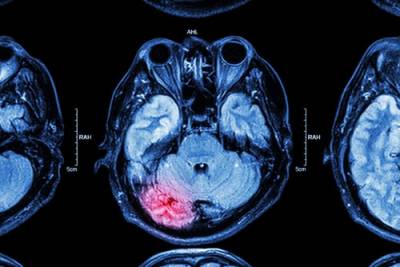 TA traumatic brain injury, or TBI, is one of the most serious injuries someone can receive. Many people know the physical symptoms of a brain injury: headaches, dizziness, or loss of consciousness. What is less commonly understood is the damage a TBI can do to the way we process information and manage our emotions. If you or someone you love is dealing with cognitive or behavioral changes after an accident, a Decatur personal injury attorney can help you understand whether you can seek compensation.
How Does a TBI Affect the Brain Beyond Physical Symptoms?
The brain controls not just movement, but memory, reasoning, personality, and mood. When an injury disrupts the brain's normal function, the effects can show up in subtle ways. This makes TBIs difficult to document and, unfortunately, easy for insurance companies to downplay.
Cognitive and psychological effects of a TBI can include:
-
Memory loss or difficulty forming new memories
-
Trouble concentrating or staying on task
-
Slower processing and reaction times
-
Difficulty understanding or using language
-
Impaired judgment and decision-making
-
Depression, anxiety, and mood swings
-
Personality changes that affect relationships and daily life
-
Sensitivity to light, noise, or other stimuli
Traumatic brain injuries can also sometimes lead to the creation of false memories. The Model Systems Knowledge Translation Center says that in cases where TBIs cause memory loss, "the mind will sometimes try to fill in the gaps of missing information with things that did not really happen."
These symptoms can persist for months or years – sometimes permanently. A person who once held a demanding job or managed a household may find that these tasks are no longer possible for them. The impact on quality of life is often severe, even when the injury is not visible on a scan.
What Compensation Can You Seek in Illinois After a Traumatic Brain Injury?
Illinois law allows injury victims to seek compensation for all the harm they have suffered, not just the obvious financial losses. Recoverable damages in a TBI case may include:
-
Medical expenses, including hospital stays, surgeries, therapy, and ongoing care
-
Lost wages for time missed from work during recovery
-
Reduced earning capacity if the injury limits your ability to work in the future
-
Pain and suffering
-
Mental anguish and emotional distress
-
Loss of enjoyment of life
-
"Loss of consortium," meaning the effect the injury has had on your relationship with a spouse or family members
In cases where the at-fault party's conduct was intentional or reckless, the court may also award punitive damages. These are meant as punishment for the wrong or illegal behavior rather than to simply compensate the victim.
One of the challenges in TBI cases is showing the full extent of cognitive and psychological harm in a way that a court or insurance company will value. These injuries don’t always show up on imaging. Neuropsychological testing, input from treating physicians, and testimony from people who know the victim can all help form a complete picture of how the injury has changed someone's life.
How Long Do I Have to File a TBI Suit?
Under 735 ILCS 5/13-202, you generally have two years from the date of your injury to file a personal injury lawsuit in Illinois. Acting promptly is important because evidence of how the injury happened can be difficult to reconstruct if too much time has passed. The sooner your legal team can begin building your case, the stronger it will be.
Who Can Be Held Responsible for a Traumatic Brain Injury?
Who is responsible for a traumatic brain injury is dependent on how the injury happened. TBIs can happen in many ways. Car accidents, falls on unsafe property, workplace accidents, and assaults are among the most common causes in 2026. Some TBIs do happen because of unusual circumstances, and no one is to blame. But often, another party's careless or reckless behavior is the cause.
When a TBI is caused by someone else's negligence, that party may be held responsible for the harm caused. More common examples of this include a distracted or impaired driver who causes a collision, a property owner who doesn’t address dangerous conditions that lead to a fall, or an employer who uses unsafe workplace practices. TBIs can also happen when a person commits an intentional act of violence, i.e., a fight or assault.
Proving liability in a TBI case requires showing that the responsible party should have acted with more care for other people’s safety. It also means showing that their failure to do so directly caused the injury. Medical records from before and after the accident, accident reports, witness accounts or recordings of the accident, and testimony from medical professionals can all help prove the other person’s involvement.
Call a Champaign, IL Personal Injury Attorney Today
A TBI is life-changing. You may be dealing with the effects for months or years to come. In these cases, you deserve to be compensated for your emotional, financial, and cognitive losses. At Kanoski Bresney, our personal injury attorneys bring over 100 years of combined experience to every case. Attorney Bresney has previously served as a prosecutor in the Cook County State's Attorney's Office and has experience litigating if needed.
Call a Decatur traumatic brain injury lawyer at 888-826-8682 today for a free consultation.



SPRINGFIELD
2730 South MacArthur Blvd.
Springfield, IL 62704
217-523-7742
BLOOMINGTON
237 East Front St.
Bloomington, IL 61701
309-829-5700
RUSHVILLE
129 South Congress St.
Rushville, IL 62681
217-322-4346
PEKIN
427 1/2 Court St.
Pekin, IL 61554
309-353-9828
CHAMPAIGN
314 South Neil St., Ste 100
Champaign, IL 61820
217-356-1570
QUINCY
2632 Broadway St.
Quincy, IL 62301
217-222-5504
MACOMB
118 North Lafayette St.
Macomb, IL 61455
309-836-1002
DECATUR
335 East Wood St., Ste A
Decatur, IL 62523
217-429-3509
